
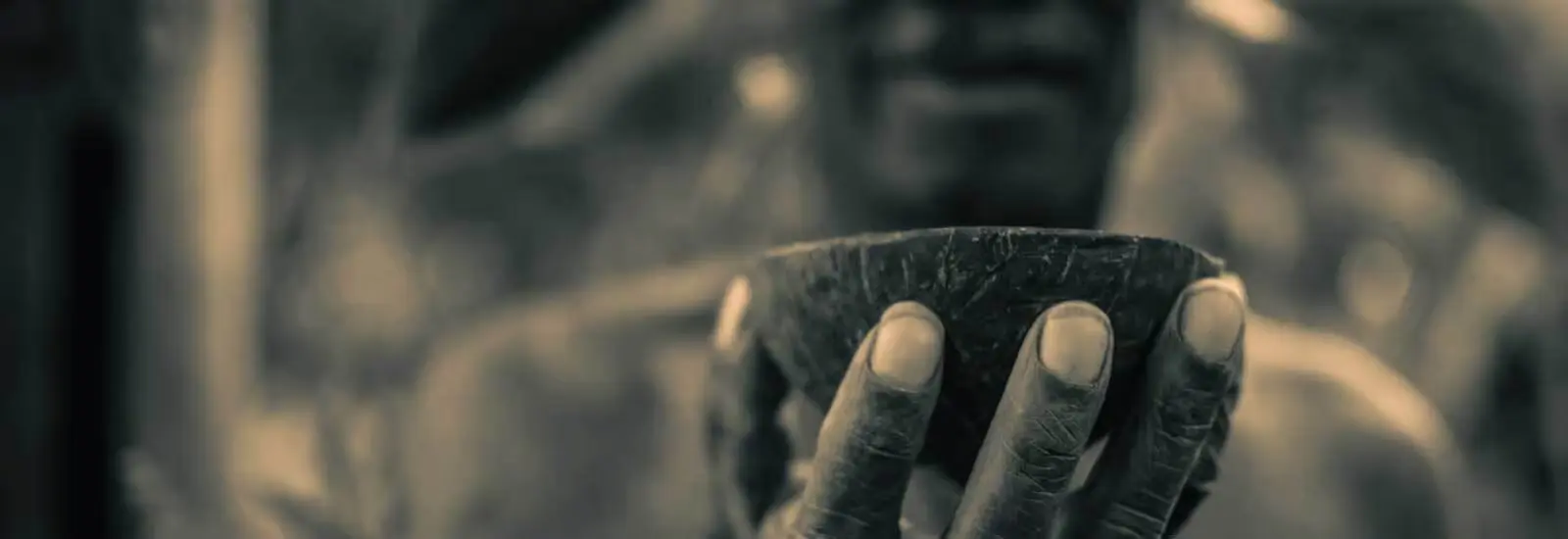
A Traditional Approach to Kava in Modern Research
Kava has been cherished for centuries in Pacific Island cultures, where it’s traditionally prepared as a soothing beverage from the roots of the kava plant. It’s fascinating to see how modern science is now catching up with these age-old practices, especially with the landmark 2009 study known as the Kava Anxiety Depression Spectrum Study, or KADSS. This was the first clinical trial to utilize an aqueous kava extract, just like the preparation methods used by indigenous communities.
The KADSS Study Design
In this innovative study, researchers engaged 60 participants who had anxiety disorders. Over three weeks, participants consumed 250 mg of kavalactones daily from a noble kava extract sourced from the organic peeled rootstock of Vanuatu. The trial was designed as a double-blind crossover, meaning that neither the participants nor the researchers knew who was receiving kava versus a placebo at any given time. This robust design helps ensure that the results are as reliable as possible.
Impressive Results from Kava
The results from the KADSS study were quite remarkable. Participants who received the kava extract showed a significant reduction in their anxiety levels, as measured by the Hamilton Anxiety Rating Scale (HAMA). Specifically, their scores dropped by an impressive 9.9 to 10.3 points, while the placebo group saw only a minimal reduction of 0.8 points. The difference between these groups was statistically significant, with a p-value of less than 0.0001, indicating that the effects observed were not likely due to chance.
Understanding Effect Size and Meaningful Improvement
When looking at the magnitude of the effects, the study reported an effect size of d=2.24, which is considered ‘very large’ by academic standards. In the realm of anxiety treatments, such a high effect size is rarely achieved, making these findings particularly noteworthy. Additionally, 62% of participants in the kava group met the criteria for ‘response,’ indicating meaningful improvement, while 35% achieved ‘remission,’ meaning they were symptom-free. These rates were substantially higher than those seen in the placebo group.
Safety and Efficacy with Aqueous Kava
One of the most reassuring aspects of the KADSS study was the safety profile of the aqueous kava extract. Throughout the trial, no hepatotoxicity was observed; liver function tests remained normal, and participants experienced no withdrawal symptoms once they stopped taking kava. This is particularly significant given that earlier concerns about kava’s safety were primarily linked to pharmaceutical-grade acetonic or ethanolic extracts. The use of traditional aqueous extraction appears to be a safer alternative, aligning with how kava has been prepared for generations.
Bridging Tradition and Science
Ultimately, the KADSS study serves as a powerful bridge between traditional kava preparation methods and modern clinical research. It highlights how the centuries-old aqueous preparation might yield biologically effective results without the associated risks seen in other extraction methods. As interest in kava continues to grow, findings like these reinforce the idea that traditional practices can harmoniously coexist with contemporary science, offering a deeper understanding of this revered plant.
Note: This post is for informational and educational purposes only and does not constitute medical advice. Kava is not intended to diagnose, treat, cure, or prevent any disease or health condition. Consult your healthcare provider before using kava, especially if you take medications or have a liver condition.
Research references: Sarris J et al (2009). The Kava Anxiety Depression Spectrum Study (KADSS): a randomized, placebo-controlled crossover trial using an aqueous extract. Psychopharmacology, 205, 399–407.
Ready to Experience Noble Kava?
Shop our premium selection of noble kava root powders, capsules, tinctures, and drinks — sourced from Hawaii, Fiji, Vanuatu, and the Solomon Islands.
