
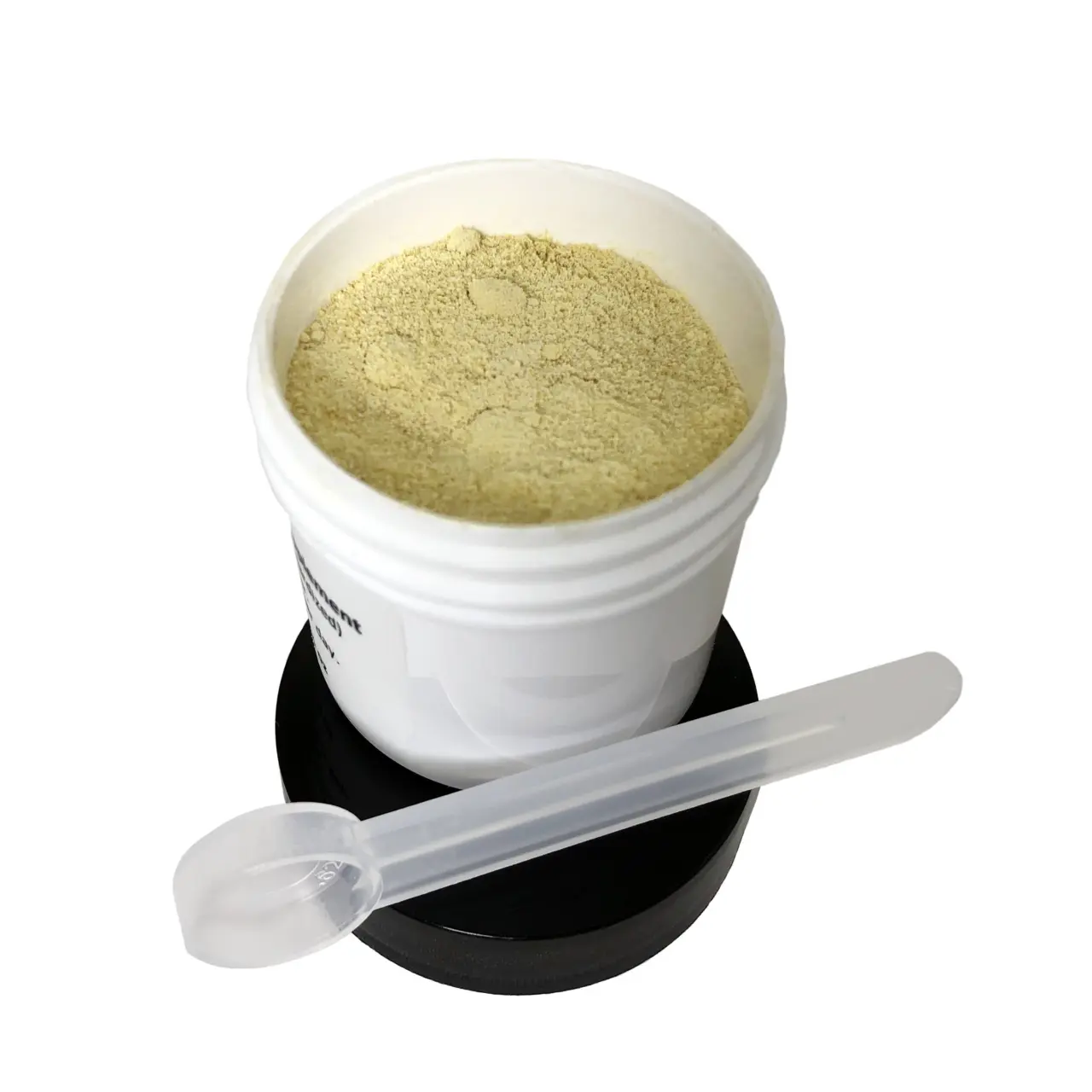
What to know about kkf kavalactone 33% powder (1/2Oz) before you buy
If you are researching kkf kavalactone 33% powder (1, you are likely trying to understand what the product strength means, how much powder is actually included in a 1/2-ounce package, and whether a concentrated kava extract fits your intended use. In plain terms, a label that states 33% kavalactones usually indicates a standardized extract where roughly one-third of the powder consists of the active compounds commonly associated with kava. A 1/2-ounce container equals about 14 grams of powder, so the total amount of kavalactones in the package may be estimated from that percentage, though exact values depend on the manufacturer’s testing methods and moisture content.
Searchers often want a quick way to compare extract potency against traditional kava root powder. That comparison matters because extracts are more concentrated and are typically used in much smaller amounts. Traditional root powder is often prepared as a beverage, while a concentrated extract may be intended for capsules, blending, or precise measured servings. The main takeaway is that concentration changes serving size. A product labeled 33% is not used the same way as plain ground root.
Before purchasing, review three things carefully:
- Standardization details: Look for whether the percentage refers specifically to total kavalactones and whether testing is batch-based.
- Ingredient simplicity: Check if the powder is pure extract or if it contains carriers, fillers, or flavoring agents.
- Package size context: A 1/2-ounce amount may sound small, but with a concentrated extract it can represent many measured servings depending on the suggested use.
For most buyers, the smartest approach is to evaluate the extract as a precision product, not a scoop-and-guess powder. That mindset helps with safety, consistency, and a better understanding of value.
How to read a kkf kavalactone 33% powder (1/2Oz) label correctly
Reading the label correctly is the fastest way to avoid confusion. On concentrated kava products, the most important numbers are the net weight, the kavalactone percentage, and the serving size. A 1/2-ounce package contains approximately 14 grams. If the extract is standardized to 33% kavalactones, that suggests about 4.6 grams of total kavalactones across the full package. This is a rough estimate, not a guarantee of dose per scoop, unless the manufacturer also states how many milligrams are in each serving.
Here is a practical way to interpret the label:
- Confirm the unit: 1/2 ounce is a weight measurement, not a serving count.
- Convert to grams: 14 grams makes comparison easier because many supplement labels use milligrams or grams.
- Apply the percentage: Multiply total weight by 0.33 to estimate total active content.
- Check serving instructions: If the label recommends a measured amount, use that rather than trying to calculate your own scoop size from the package total.
- Look for lot testing: Third-party or batch-specific testing helps confirm that potency claims match the actual contents.
Also pay attention to what the label does not say. If there is no mention of extraction method, source material, or whether the product is instant, extract, or micronized, that is a signal to proceed carefully. These categories are not interchangeable. A concentrated extract can behave very differently from traditional kava powder in mixing, taste, and expected strength.
For comparison shopping, create a simple note with the package weight, stated kavalactone percentage, and cost per gram. That gives you a more reliable value comparison than price alone and helps you identify whether two similarly named products are actually equivalent.
Best ways to measure, mix, and store a concentrated kava extract powder
Once you have a concentrated extract, proper handling matters. Because a 33% kavalactone powder is stronger than ordinary root powder, accurate measurement should be your first priority. The most practical tool is a small digital scale that reads to 0.01 grams. Scoops can vary based on particle size, settling during shipping, and humidity, so weighing is more dependable than estimating by volume.
For mixing, start with the method recommended on the product label. If no clear directions are provided, avoid improvising large amounts. Concentrated powders often dissolve or suspend differently than traditional kava. A workable process is:
- Measure a small amount precisely using a scale.
- Add to a small volume of liquid first to break up clumps before increasing total volume.
- Stir or shake thoroughly because fine extracts can settle quickly.
- Wait and assess before using more, especially if you are unfamiliar with that specific extract.
Storage is equally important for preserving consistency. Keep the powder in a tightly sealed container, away from light, moisture, and heat. A cool, dry cabinet is usually sufficient. Avoid storing it near steam-producing appliances or in a refrigerator where condensation may occur after opening. Moisture can cause clumping and may affect how evenly the powder measures from one use to the next.
It also helps to label the container with the date opened and the intended serving size. That simple step reduces guesswork later. If the powder develops an unusual odor, visible moisture, discoloration, or hardened lumps that do not break apart easily, inspect it carefully before continued use. Concentrated botanical products are best treated like precision pantry items: clean scoop, sealed container, and consistent measuring every time.
These habits make the product easier to use and reduce the risk of inconsistent results from one serving to another.
How concentrated kava extract compares with traditional root powder
Many searchers looking up this product are really asking a broader question: How is a 33% kavalactone extract different from regular kava? The answer comes down to concentration, preparation style, and user expectations. Traditional root powder is often used to make a beverage by kneading or blending with water, then straining. It is valued for a more complete, root-based preparation experience. A concentrated extract, by contrast, is designed for smaller measured amounts and greater convenience.
Here are the key differences that matter in practice:
- Potency per gram: Extracts usually deliver more kavalactones in a smaller amount of powder.
- Preparation time: Traditional root often requires more effort, while extract powders are generally faster to portion and mix.
- Taste and texture: Root powder and extract can differ noticeably in mouthfeel and flavor intensity.
- Serving precision: Extracts benefit more from scale-based measurement because small weight changes can have a larger effect.
- Use case: Some people prefer root for traditional preparation and extract for convenience or formulation.
That does not automatically make one better than the other. Instead, the right choice depends on your goal. If you want a product that is easy to compare by standardized active content, a 33% extract may be easier to evaluate. If you prefer a less processed form and a traditional preparation method, root powder may align better with that preference.
When comparing options, avoid assuming that one teaspoon of extract equals one teaspoon of root powder. That shortcut can lead to major errors. Compare by weight, standardization, and label directions. If you are switching from one format to another, start from the manufacturer’s guidance for the new product rather than trying to translate your old routine directly.
Common buying questions, quality checks, and practical red flags
To choose a concentrated kava extract wisely, focus on quality signals that can be verified. A strong listing should explain what the powder is, how potent it is, and how to use it. If those basics are missing, the product may be difficult to evaluate no matter how attractive the price appears. For a 1/2-ounce standardized extract, clarity matters because a small package can still contain a substantial amount of active material.
Use this checklist when reviewing a product page or package:
- Is the extract standardized? The label should clearly state the kavalactone percentage.
- Is the net weight easy to verify? For this format, 1/2 ounce should correspond to about 14 grams.
- Are serving instructions specific? Vague wording is not helpful for a concentrated powder.
- Is there testing information? Batch or third-party testing adds confidence.
- Are ingredients fully disclosed? Pure extract should be distinguished from blends or products with additives.
- Is the source category clear? Extract, instant, micronized, and traditional root are different products.
There are also practical red flags. Be cautious if a seller relies on exaggerated language without giving measurable details, if there is no mention of standardization method, or if the serving size seems unrealistically large for a 33% extract. Another concern is inconsistent terminology across the listing, such as calling the same item both root powder and extract. That can signal poor quality control or inaccurate product information.
The best way to protect yourself as a buyer is to compare products using objective data: grams, percentages, ingredient list, and testing details. That approach cuts through marketing language and helps you identify whether a product matches your intended use. For this specific search, the ideal result is not just finding the item name, but understanding exactly what the concentration and package size mean in real-world use.
Ready to Experience Noble Kava?
Shop our premium selection of noble kava root powders, capsules, tinctures, and drinks — sourced from Hawaii, Fiji, Vanuatu, and the Solomon Islands.
