
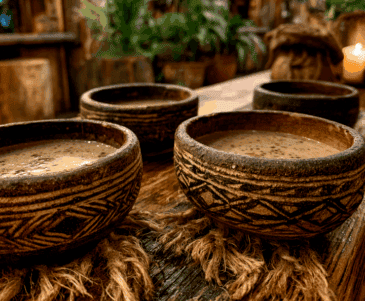
Why Kava Is Showing Up in Modern Wellness Conversations
Wellness habits in the U.S. are changing. More people are looking for ways to unwind that do not revolve around alcohol, overstimulation, or an always-on schedule. That shift helps explain why kava has moved from a niche botanical to a bigger part of conversations about relaxation, mindfulness, and evening routines. For readers trying to build healthier habits, kava stands out because it is often used with intention rather than speed. It is less about chasing energy and more about creating space to slow down.
Kava comes from the root of Piper methysticum, a plant long used across the Pacific Islands in social and ceremonial settings. In today’s wellness landscape, that tradition has inspired a new kind of interest: people want rituals that feel grounding, repeatable, and separate from the pressure of constant productivity. Kava fits into that trend because it is commonly associated with calm, presence, and a more mindful way to transition out of the day.
For many readers, the real value is practical. Stress is not abstract. It shows up as racing thoughts before bed, difficulty unplugging after work, and the habit of using screens or drinks to take the edge off. Kava’s appeal is that it can become part of a deliberate pause. Instead of reaching automatically for a familiar coping tool, some adults are exploring whether a kava ritual better matches their goals around balance and moderation.
This matters because wellness is not only about what people add to their routines, but also about what they replace. If someone is trying to drink less, improve how they decompress, or bring more intention to social time, kava may offer a different path. The broader takeaway is not that one root solves modern stress. It is that people are increasingly seeking calmer, more conscious ways to manage it.
What Makes Kava Different From Other Relaxation Habits
Kava’s modern appeal is tied to how it is experienced. Unlike habits built around stimulation or escapism, kava is often described as supporting a calmer state without turning relaxation into a numbing routine. That distinction matters for readers who want to feel settled and clear rather than checked out. In a crowded wellness market filled with quick fixes, kava is notable because it is usually approached as a ritual and not just a product.
The compounds most often discussed in relation to kava are called kavalactones. These naturally occurring constituents are widely associated with kava’s calming qualities. While individual experiences vary, many people turn to kava because they want a gentler shift into rest, reflection, or social ease. That makes it especially relevant at a time when many adults are rethinking how they handle stress after work, at gatherings, or during periods of mental overload.
Another reason kava feels distinct is the pace it encourages. Preparing or serving it can become part of the benefit. The act of slowing down, sitting with others, or taking a moment before the evening begins can be just as meaningful as the beverage itself. In that sense, kava aligns with broader wellness trends that emphasize mindfulness, sensory awareness, and habit design over extremes.
For readers, the practical implication is simple: not every relaxation tool works the same way or serves the same goal. Some people want better sleep hygiene. Others want a more intentional social option. Others are trying to create boundaries between work and personal time. Kava may fit those needs because it supports a routine centered on calm and presence. The key takeaway is to think about relaxation as a skill. If your current habits leave you feeling drained, distracted, or dependent on excess, it may be worth exploring alternatives that help you slow down with more purpose.
The Role of Ritual in a More Mindful Evening Routine
One reason kava resonates in modern wellness is that it encourages ritual. That word can sound lofty, but in practice it often means something very ordinary: repeating a simple action that signals to your mind and body that it is time to shift gears. In a culture where many people move directly from work messages to dinner to more screen time, that transition is often missing. Kava can help fill that gap by becoming part of a routine that marks the end of one mode and the beginning of another.
Ritual matters because stress often thrives in disorder. When evenings feel unstructured, it is easy to default to habits that do not actually restore you. Mindless scrolling, late-night snacking, or another drink may offer a short-term break without creating real calm. A kava ritual, by contrast, can be built around intention. That might mean dimming lights, putting away devices, sitting down without multitasking, or sharing a quiet drink with friends instead of centering the night around alcohol.
For readers, this is where kava becomes more than a trend. It can serve as a cue for mindfulness. The value is not only what is in the cup, but what the routine replaces and what it makes possible. A consistent evening ritual can help people become more aware of their stress patterns, reduce overstimulation, and create a steadier emotional landing at the end of the day.
Key actions readers can take include:
- Identify your stress window. Notice when you are most likely to reach for unhealthy coping habits.
- Create a repeatable routine. Pair kava with a specific time, setting, or calming activity.
- Reduce distractions. Let the ritual be a break from notifications and multitasking.
- Pay attention to outcomes. Track whether you feel more present, relaxed, or better able to wind down.
The broader lesson is that wellness often improves through structure. Kava’s place in that picture is as a tool that can support a calmer, more deliberate rhythm.
Why Non-Alcoholic Relaxation Options Matter Right Now
Interest in kava also reflects a larger national shift toward non-alcoholic choices. Many adults are reassessing how alcohol fits into their lives, whether for health reasons, sleep quality, mental clarity, or simple lifestyle preference. As that shift continues, readers are looking for alternatives that still feel social, satisfying, and relaxing. Kava enters that conversation as one option that can help people participate in a wind-down ritual without relying on alcohol-centered habits.
This matters because reducing alcohol is rarely only about willpower. It is often about replacing a routine with something that meets the same emotional need. People may want a beverage that signals the workday is over, a shared experience at a gathering, or a way to settle nerves before a quiet night in. If those needs go unaddressed, old patterns tend to return. Kava can be appealing because it offers a different framework for relaxation, one that many people see as more aligned with mindfulness and moderation.
There is also a practical wellness angle. Readers who are trying to improve sleep habits, reduce next-day sluggishness, or avoid making every social setting revolve around drinking may find it useful to explore non-alcoholic rituals. Kava is part of a broader movement that includes sober-curious lifestyles, alcohol-free social spaces, and more intentional approaches to stress management.
Helpful takeaways for readers include:
- Think substitution, not deprivation. Replacing a habit is often easier than simply removing it.
- Match the tool to the moment. A solo evening routine may look different from a social setting.
- Focus on how you want to feel. Calm, clarity, and connection are different goals than escape.
- Build supportive environments. Keep options on hand that align with your health priorities.
Kava’s relevance is not just that it is different from alcohol. It is that it can help readers reimagine what relaxation looks like when they want it to feel more intentional, more balanced, and more in step with long-term wellness goals.
How Readers Can Explore Kava Thoughtfully
As interest in kava grows, thoughtful use matters. Wellness trends can move fast, but readers benefit most when they approach any new habit with clarity about why they are trying it and how it fits into their broader routine. Kava is not a cure-all for stress, and it works best when seen as one part of a larger approach that may also include better sleep habits, movement, time away from screens, and consistent boundaries around work and rest.
For people curious about kava, the first step is to define the goal. Are you trying to create a more mindful evening? Cut back on alcohol? Feel more grounded during social time? Knowing the purpose can help you decide whether kava belongs in your routine and what success would actually look like. Without that clarity, any wellness tool can become just another impulse purchase instead of a meaningful practice.
Readers should also pay attention to context. A calming ritual tends to work best when the environment supports it. That means giving yourself enough time to slow down, choosing a setting that feels peaceful, and avoiding the expectation that one drink or one moment will instantly erase a stressful day. Small, consistent routines usually have more impact than dramatic resets.
Practical actions to consider:
- Start with intention. Decide when and why you want to use kava.
- Pair it with healthy habits. Use it alongside quiet time, reflection, or reduced screen use.
- Notice your patterns. Pay attention to whether it helps you feel more centered or present.
- Stay balanced. Treat kava as a support tool, not a substitute for addressing ongoing stressors.
The biggest takeaway for readers is that kava’s place in modern wellness is less about novelty and more about fit. If it helps create a healthier, more mindful way to unwind, it may be worth exploring. If not, the larger lesson still stands: intentional relaxation is becoming an essential part of modern well-being, not a luxury.
Source
Based on reporting from Wakacon.
Ready to Experience Noble Kava?
Shop our premium selection of noble kava root powders, capsules, tinctures, and drinks — sourced from Hawaii, Fiji, Vanuatu, and the Solomon Islands.
