
The Sobriety-Friendly Bar Movement: How Kava Bars Are Changing What
Why sobriety-friendly nightlife is gaining ground
Sobriety-Friendly Bar Movement? For decades, going out at night in the U.S. usually meant one thing: alcohol. That expectation shaped everything from first dates and work gatherings to live music venues and late-night hangouts. The rapid rise of kava bars signals that this model is changing. What was once a niche concept has grown into a broader hospitality trend, with hundreds of kava-focused spaces now operating across the country. That growth reflects a larger shift in how many Americans think about social life, wellness, and what they want from a night out.
This matters because more people are actively looking for places where they can connect without the pressure to drink. Some are sober. Others are sober-curious, cutting back for health reasons, managing anxiety, training athletically, protecting sleep, or simply tired of the downsides of alcohol-centered routines. In that environment, kava bars offer an alternative format: a social setting built around conversation, ritual, and low-key atmosphere rather than intoxication.
For readers, the practical implication is simple: nightlife options are broadening. If you have ever felt boxed out by bar culture, there are now more venues designed around a different pace and purpose. That can make it easier to:
- Attend social events without explaining why you are not drinking alcohol
- Meet friends in settings that feel calmer and more inclusive
- Explore evening routines that do not derail the next morning
- Find gathering spaces that appeal across age groups and lifestyles
The rise of kava bars also says something bigger about consumer demand. Hospitality businesses tend to follow behavior, not lead it. When more operators invest in sobriety-friendly spaces, it suggests this is not a passing novelty but a response to real changes in what people want. For readers nationwide, that means the definition of a “good night out” is becoming more flexible, and that flexibility can make social life more accessible, affordable, and sustainable over time.
What kava bars actually serve and how the experience differs
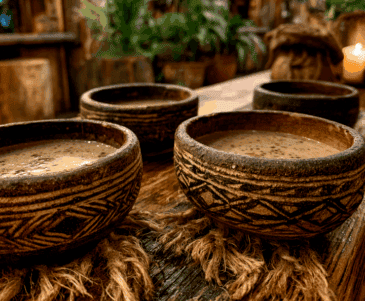
Many readers have heard of kava bars without fully understanding what happens inside one. Unlike a traditional bar, the menu typically centers on kava, a plant-based beverage with roots in Pacific Island traditions, along with other nonalcoholic options that may include teas, botanical drinks, and functional beverages. The atmosphere often leans more conversational than chaotic, with less emphasis on loud drinking culture and more focus on lingering, talking, working, listening to music, or participating in events.
That distinction matters because the appeal of kava bars is not just about what is missing from the menu. It is about what replaces the usual alcohol-first setup. In many cases, these venues function more like hybrid social spaces than standard nightlife businesses. A person might stop in to unwind after work, meet a date, hear live music, join a trivia night, or spend time with friends without the expectation that the evening must escalate into heavier drinking.
For readers considering trying one, it helps to approach the experience with curiosity and a little preparation. Menus can vary significantly, and not every venue emphasizes the same products or atmosphere. A few useful steps include:
- Read the menu in advance so you know whether the venue focuses mainly on kava or offers a wider range of alcohol-free options.
- Ask questions about ingredients, serving style, and what first-time guests usually order.
- Start slowly if you are unfamiliar with any botanical beverage.
- Pay attention to the environment, since some kava bars feel lounge-like while others resemble coffeehouses or music venues.
Understanding the format helps set expectations. A kava bar is not simply a regular bar without alcohol. It represents a different social blueprint, one built around slower interaction and more intentional gathering. For many readers, that may be the real draw: not novelty, but a setting that supports being present without the usual social script attached to drinking.
What is driving the expansion across the U.S.
The growth of kava bars is tied to several overlapping trends, and together they help explain why the category has expanded so quickly. One driver is the broader normalization of alcohol-free living. In recent years, more Americans have reexamined their relationship with drinking, whether permanently or situationally. Younger adults in particular have shown strong interest in moderation, while older consumers are often motivated by health, recovery, medication interactions, or lifestyle changes.
Another factor is the changing economics of socializing. Many people still want places to gather, but they are becoming more selective about where they spend time and money. A venue that offers a distinct experience without the downsides some associate with alcohol can stand out in a crowded market. At the same time, hospitality operators are looking for formats that serve an underserved audience: people who want nightlife, but not necessarily drinking culture.
There is also a cultural element. Americans increasingly expect businesses to accommodate a wider range of preferences, including dietary needs, wellness goals, and substance-free lifestyles. In that environment, sobriety-friendly spaces are easier to understand than they were a decade ago. They fit into a larger pattern that includes nonalcoholic beverage programs, wellness-oriented cafés, and event spaces designed for people who want social energy without the usual bar scene.
For readers, the takeaway is that this movement is not occurring in isolation. It is connected to larger changes in how people define recreation, self-care, and belonging. That means you may see kava bars appear not only in major cities but also in college towns, suburban retail corridors, mixed-use developments, and entertainment districts where demand for alternatives is growing. If this trend continues, readers can expect more choices in how they spend evenings and weekends, including options that better align with work schedules, family life, fitness goals, or long-term health priorities.
How this shift affects real readers in everyday life
The rise of sobriety-friendly bars is not just an industry story. It has practical effects on everyday decisions people make about where to meet, relax, and celebrate. For someone in recovery, more alcohol-free venues can reduce the social friction that often comes with invitations to bars, parties, or networking events. For people who are not sober but want balance, these spaces make it easier to maintain social routines without feeling locked into drinking as the default.
This can change several common situations in meaningful ways. Dating becomes easier when one person does not drink. Group outings become simpler when friends have different comfort levels around alcohol. Parents, professionals, students, and early-morning workers may find these venues better fit their schedules and priorities. Even something as basic as wanting a clear head the next day can influence where people choose to spend time.
Readers may notice benefits such as:
- Less social pressure to order alcohol just to participate
- More inclusive meetups for mixed groups with different lifestyles
- Expanded nightlife choices beyond restaurants and traditional bars
- Settings that support conversation rather than noise-driven drinking culture
There is also a wider social impact. When more venues are built around alcohol-free gathering, it gradually changes expectations. Hosts planning birthdays, reunions, or after-work events have more options. Entertainment districts become more varied. Consumers who once stayed home because they did not enjoy bar culture may start going out more often when the format better matches their preferences.
For readers, the key point is that this trend can improve quality of life even if you have never tried kava. The real story is choice. A healthier social landscape is one where people can participate without compromising their values, recovery, wellness goals, or next-day responsibilities. As more sobriety-friendly spaces open nationwide, that kind of flexibility becomes easier to find.
What readers should know before trying a kava bar
If you are curious about visiting a kava bar, the best approach is to treat it like any unfamiliar hospitality experience: learn a bit first, go in with realistic expectations, and make choices that fit your own health needs. Not every kava bar is the same. Some are designed around quiet conversation, while others host performances, game nights, or social events. Menu offerings, house rules, and overall tone can vary widely from one city to another.
It is useful to do a little homework before you go. Check the venue’s menu, read recent reviews, and see whether the space is more lounge, café, or nightlife spot. If you are new to kava or any botanical beverage, ask staff how first-time guests usually navigate the menu. Readers should also keep in mind that personal responses to beverages can differ, and it is wise to be mindful of ingredients, timing, and how you feel.
Some practical steps include:
- Research the venue so you understand the setting and what is served.
- Ask about ingredients if you have health concerns or are taking medications.
- Plan your evening the same way you would for any new social outing, including transportation and timing.
- Go with friends if you want a more relaxed first experience.
- Notice how the environment feels and whether it matches what you want from a night out.
The broader takeaway is that kava bars are part of a more thoughtful nightlife landscape. They are not for everyone, and they do not need to be. What matters is that readers now have more ways to participate in social life without defaulting to alcohol-centered spaces. Whether you are sober, curious about alternatives, or simply looking for a different kind of evening, understanding how these venues work can help you decide if they belong in your routine.
Source
Based on reporting from Noble Tea Kava.
Ready to Experience Noble Kava?
Shop our premium selection of noble kava root powders, capsules, tinctures, and drinks — sourced from Hawaii, Fiji, Vanuatu, and the Solomon Islands.
