
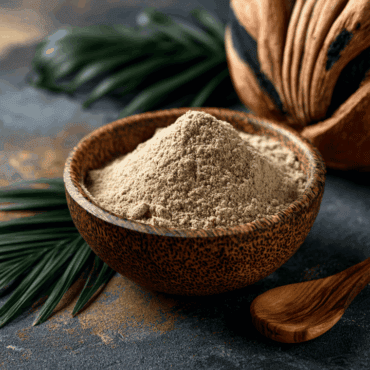
What is Kava?
Kava? To Piper methysticum, the answer begins with a traditional plant from the pepper family Piperaceae that has been cultivated and consumed throughout the South Pacific for more than 3,000 years. In many Pacific societies, the word “kava” means bitter, sour, or sharp — a fitting description of this earthy, grounding traditional beverage.
How Kava Feels
In cultures where kava is part of daily life, people commonly experience a mild elevation in mood, lively conversation, and an increased sensitivity to sound — all while maintaining clear thinking and full awareness. This makes kava distinctly different from alcohol: the mind stays present while the body relaxes.
As a traditional botanical, kava is reported to support relaxation, ease muscle tension, provide mild analgesic effects, and act as a local anesthetic. When you first drink traditionally prepared kava, you’ll notice a numbness of the mouth and tongue — that’s the kavalactones at work.*
Hawaiian Kava: Among the World’s Most Potent
Hawaiian kava varieties have earned a reputation as among the strongest available, sometimes containing twice or even triple the kavalactones found in varieties from elsewhere in the Pacific. Several theories exist for this:
- When Polynesian voyagers brought kava to Hawaiʻi, they selected only the finest cultivars
- Geographic isolation preserved the original cultivar without the mutations affecting mainland varieties
- Higher sun exposure and the absence of pesticides may accentuate kavalactone development
Kona Kava Farm Varieties
Mahakea — Dark green stems with purple nodules. Light, almost sweet-tasting powder. Highly regarded for easing sore muscles. Chemotype: 426315.
Honokanʻiki — Greenish-yellow stems with raised spots. Very smooth, almost sweet taste. Considered exceptionally kavalactone-rich. Chemotype: 463251.
* These statements have not been evaluated by the Food and Drug Administration. This product is not intended to diagnose, treat, cure, or prevent any disease.
Ready to try authentic Hawaiian kava? Shop Kona Kava Farm products →
