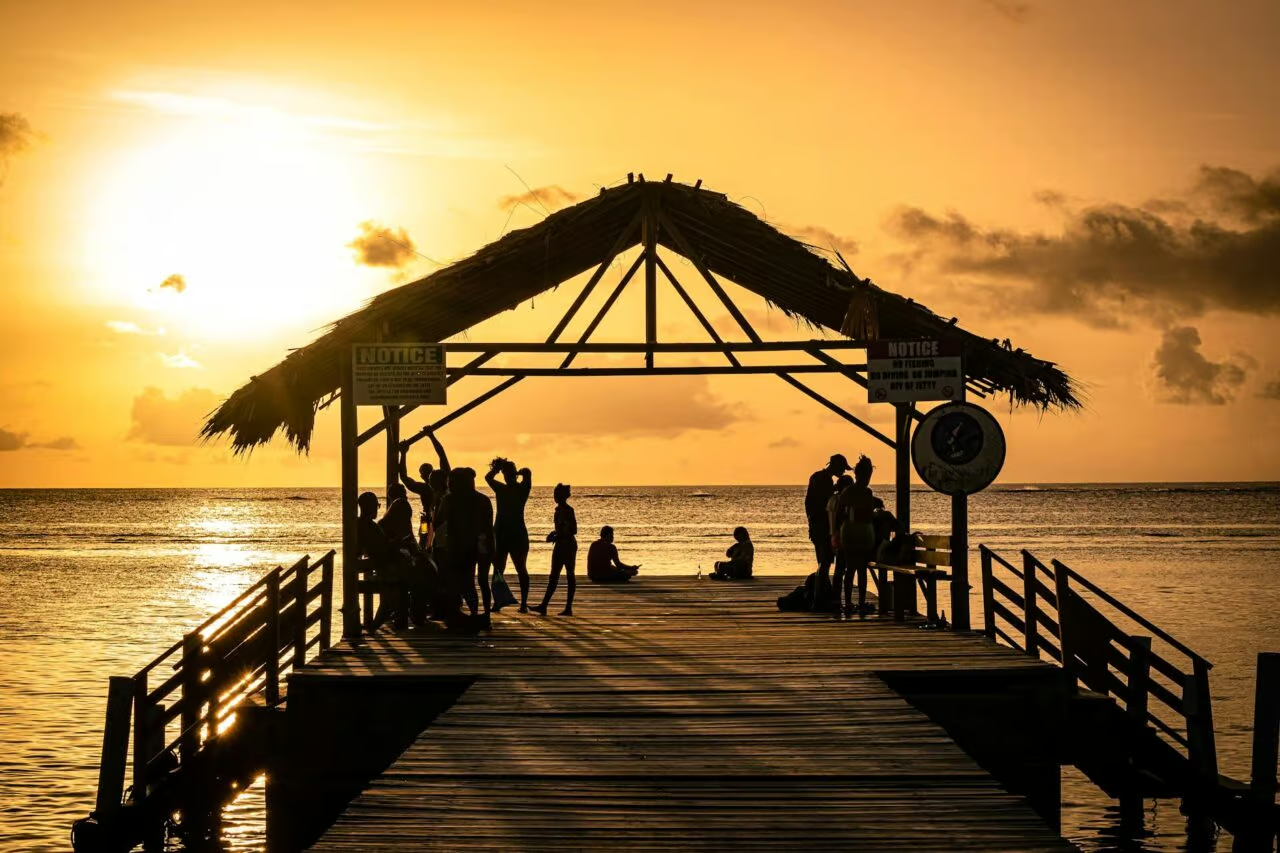
Fiji Mythology The South Pacific nation of Fiji has a rich tradition of storytelling: to this day, Fijian locals like to sit around the fire in the evenings and relate traditional stories of Fijian gods, famous places, and mythical events, all while sipping bowls of fresh kava. Fittingly, kava has a place in Fiji mythology […]
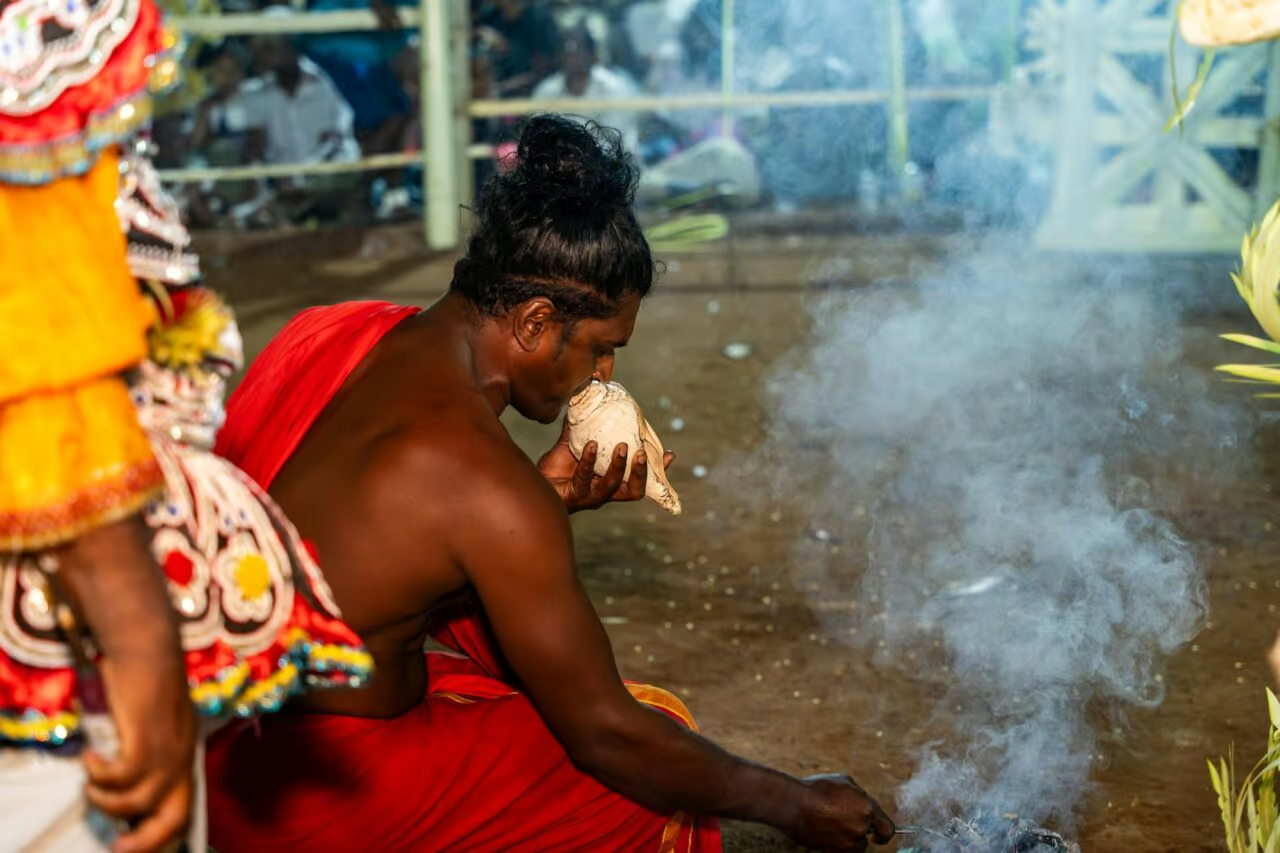
Hawaiian Gods The native religion of the Hawaiian Islands probably originated with Polynesian immigrants who made their way to the archipelago hundreds of years ago. Hawaiian religion is polytheistic, meaning there are many Hawaiian gods of varying importance, and it also incorporates strong animistic beliefs: spirits are believed to reside in the land, sea, volcanoes […]
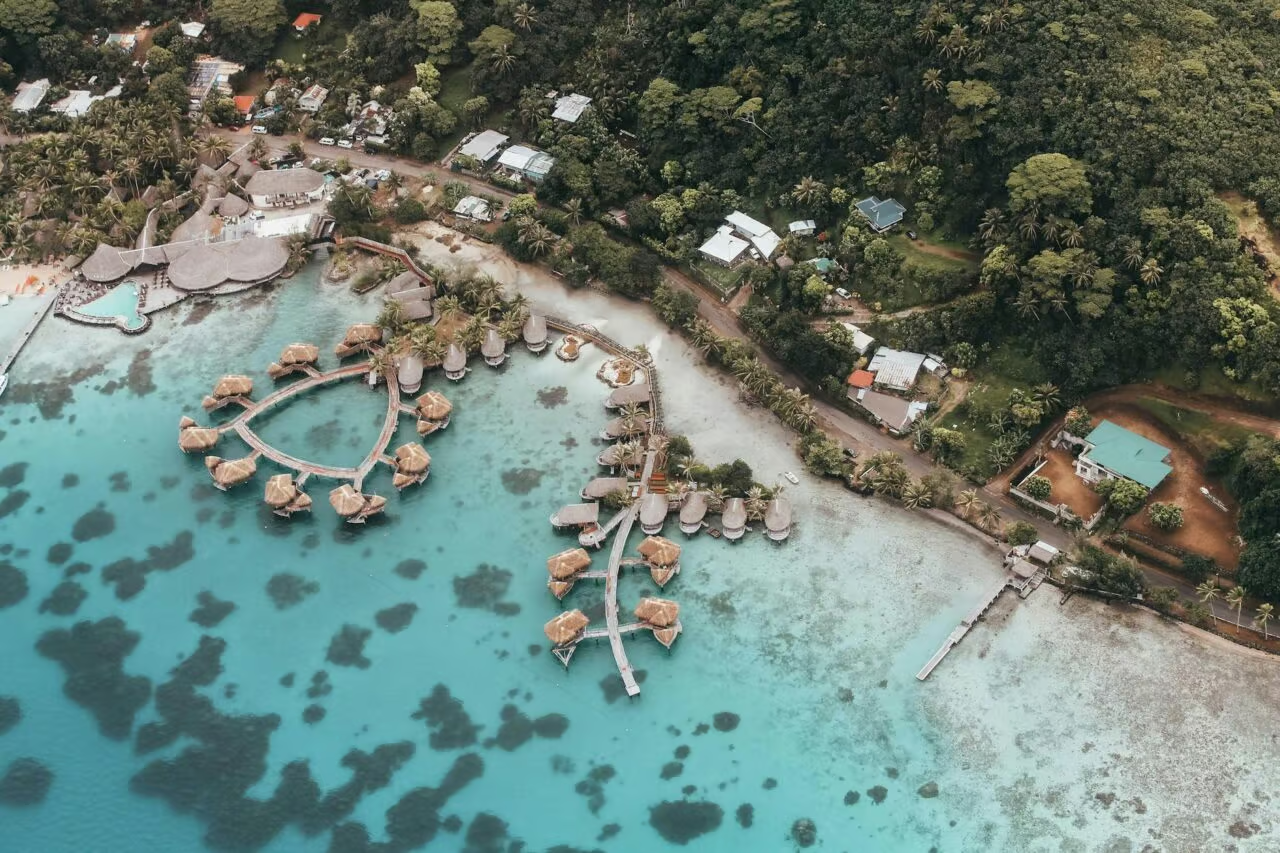
Vanuatu Culture For most Westerners, Vanuatu is probably one of the best-known island cultures in the South Pacific, partly because of the country’s active promotion of Vanuatu culture and tourism, including its national beverage, kava. Vanuatu’s tourism industry does a brisk business catering to travelers who want to get a taste of Vanuatu culture, its […]
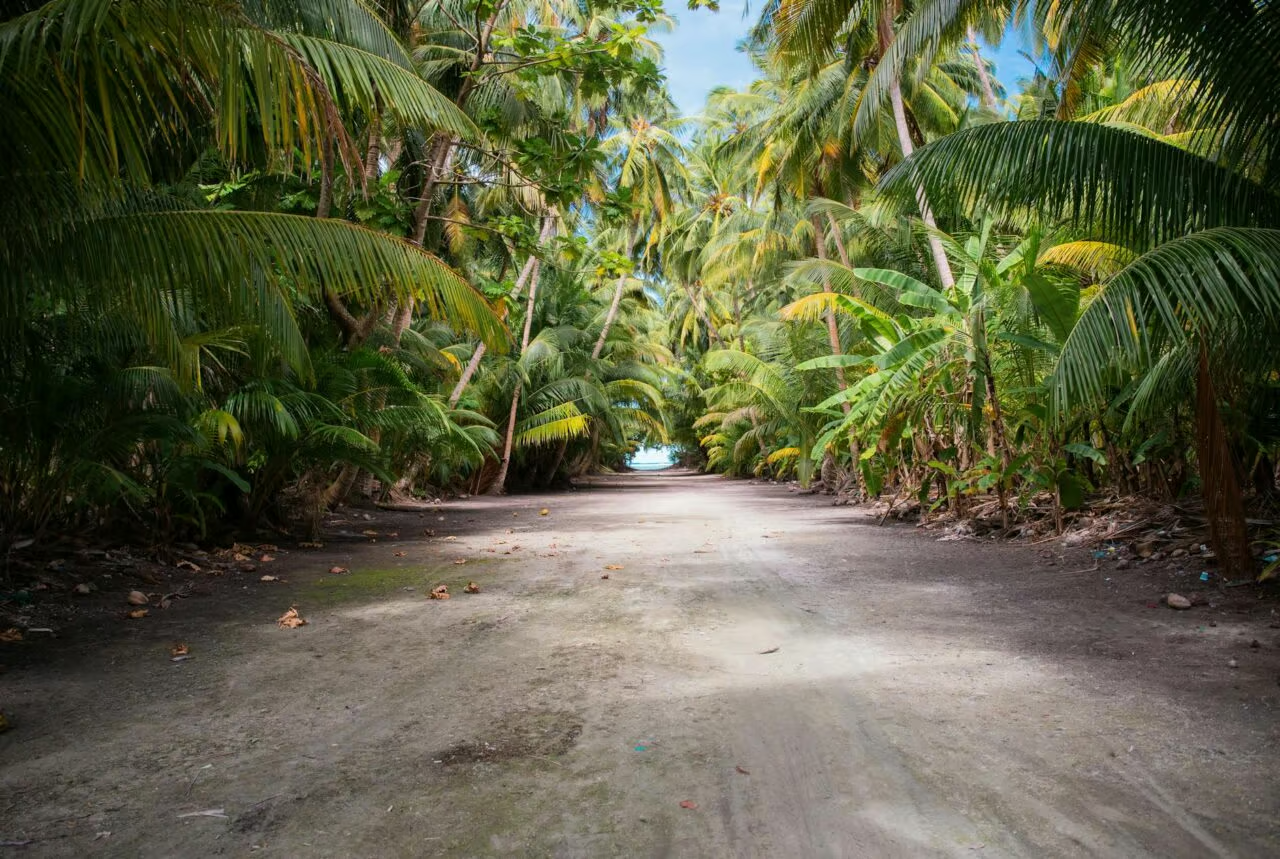
Tongan Society The Tongan archipelago is a chain of islands in the South Pacific, nearest to Fiji and Samoa, which has been inhabited by humans for about 3000 years, making it one of the oldest settled islands in the South Pacific. Although Tongan culture has gone through its share of changes, especially due to later […]
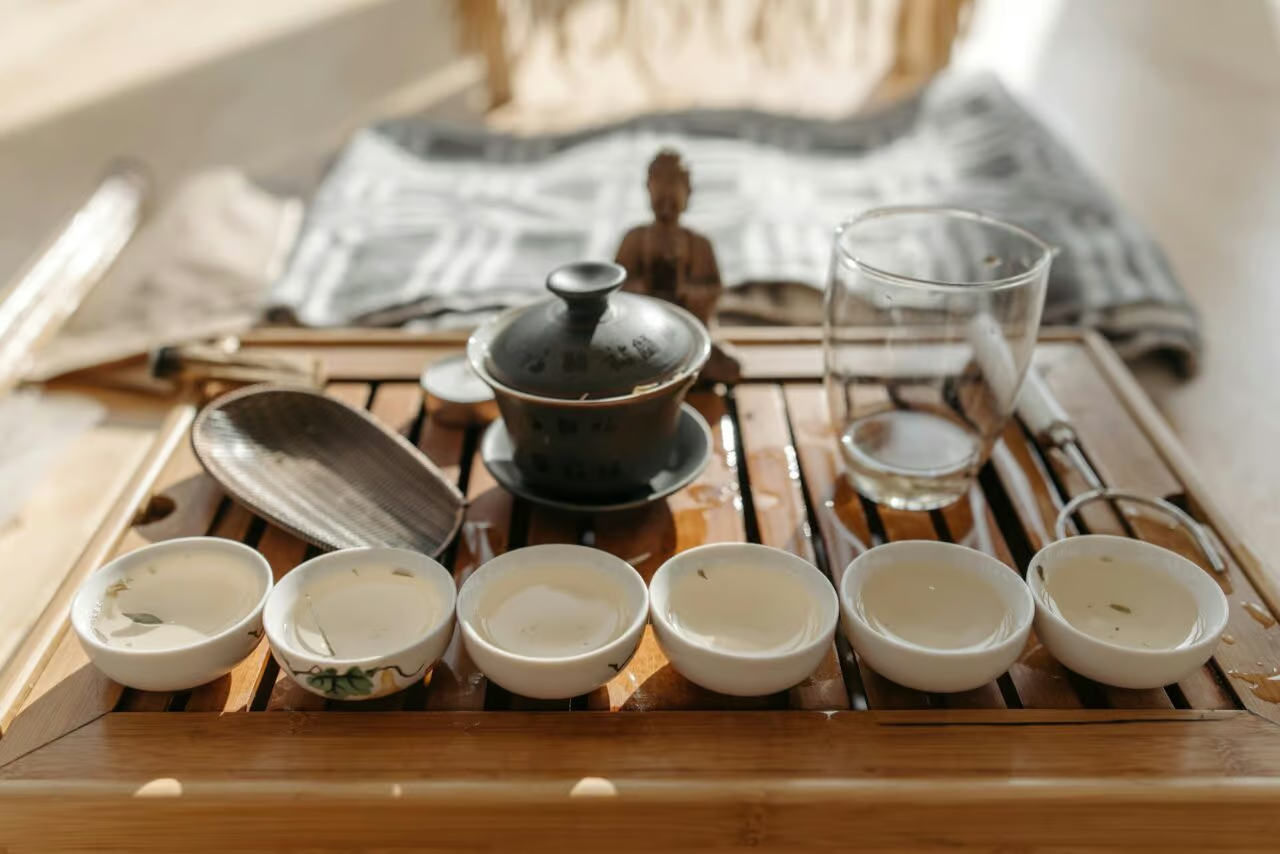
How to Make Kava To make kava successfully, crafting the perfect kava experience is an art that combines tradition with your personal touch. To start, you’ll need high-quality kava root powder—this is essential for a smooth, flavorful brew. Begin by measuring out approximately 1 cup of kava powder for every quart of water you plan […]
Kava Aphrodisiac For those of you familiar with the effects of kava aphrodisiac properties might not be the first thing that springs to mind. In general, kava has the effect of relaxing you, reducing anxiety, and promoting sociability; while none of these effects are directly aphrodisiac in themselves, kava’s ability to help people let go […]
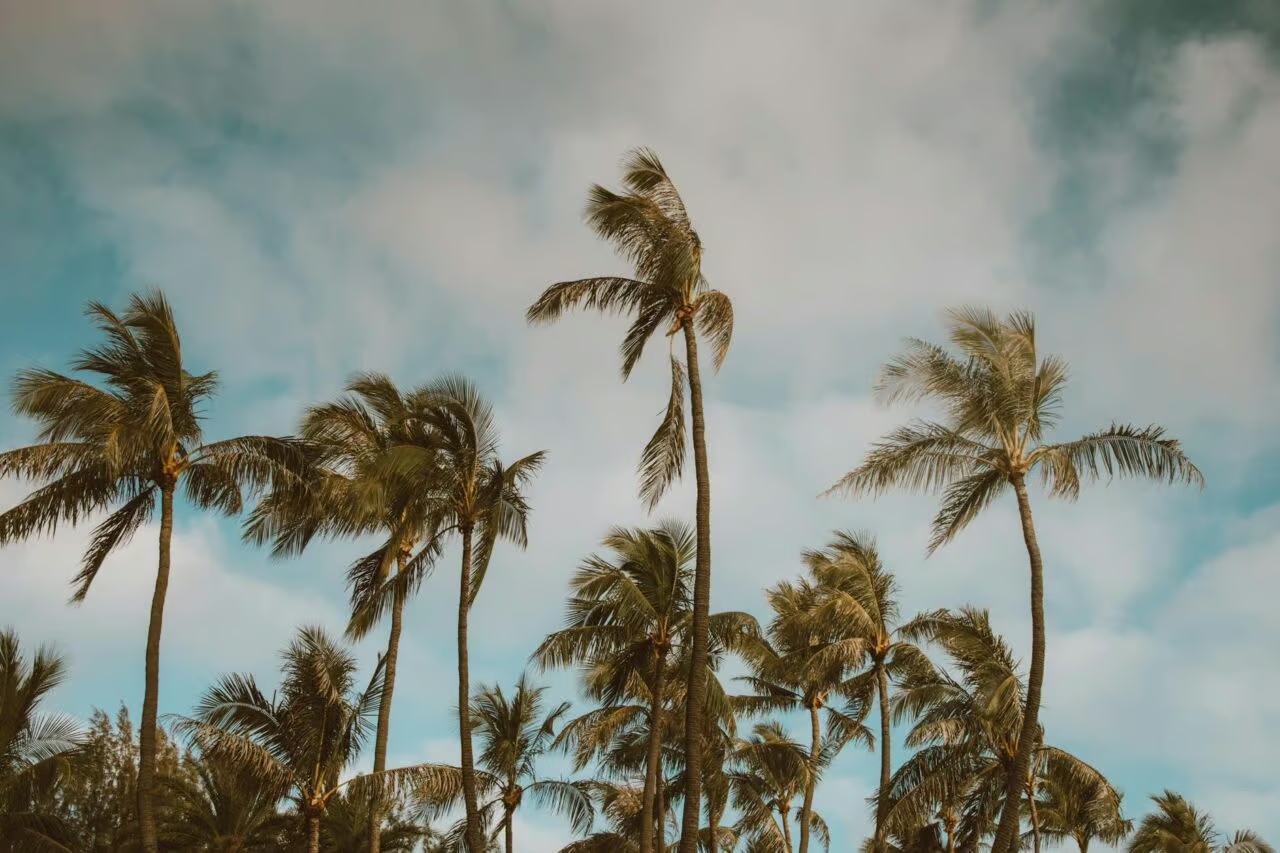
Pohnpei One of four main islands in the Federated States of Micronesia (FSM) in the South Pacific Ocean, Pohnpei is a lush mountainous island that has been home to human beings for thousands of years. Although its name was originally Anglicized as “Ponape”, the title was changed to Pohnpei as a more accurate reading of […]
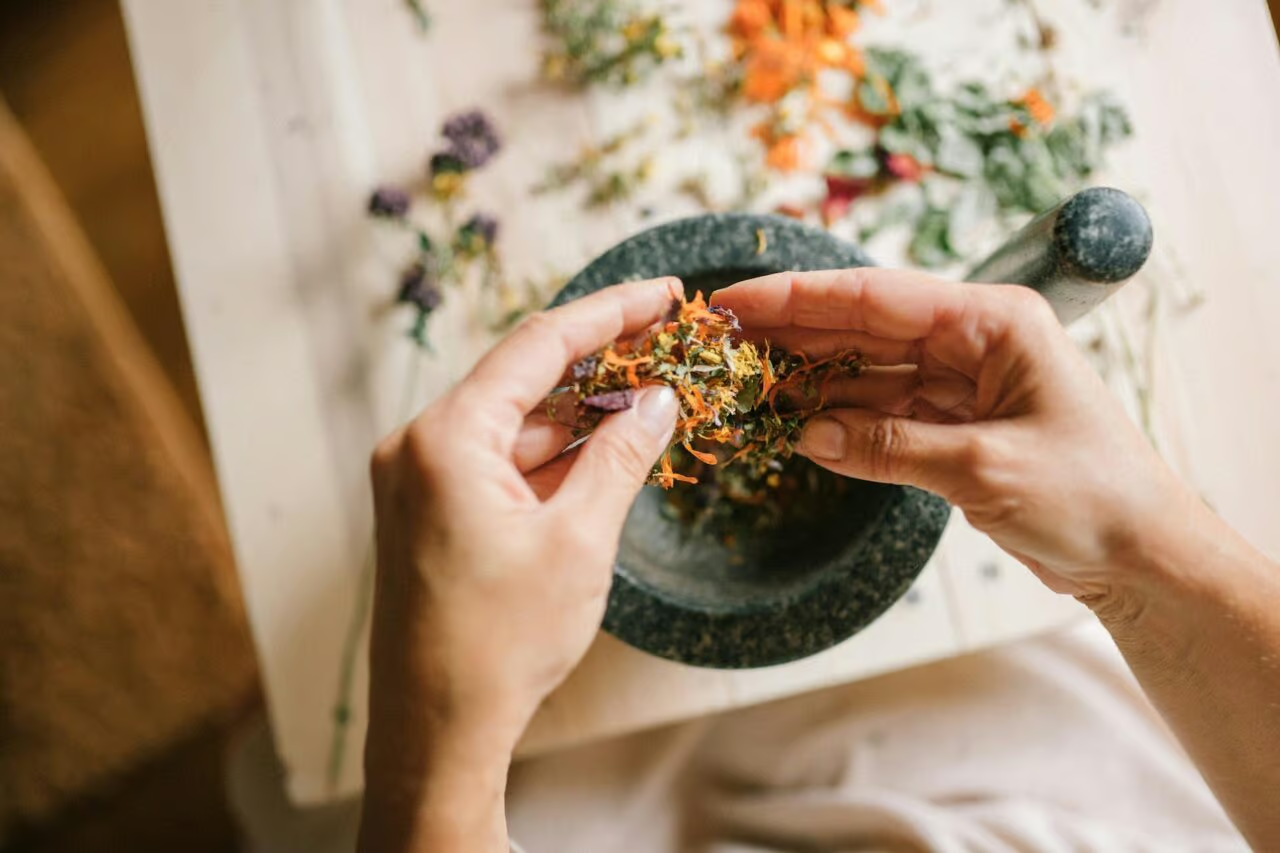
Kavalactones Dosage Understanding the right dosage of kavalactones is essential for experiencing their full benefits. While individual responses can vary, a general guideline is to start with 250-500 mg of kavalactones per day. This dosage can be adjusted based on personal tolerance and desired effects. It’s important to recognize that factors such as body weight, […]
Kava Bars In California While the proliferation of websites selling kava online means you can easily purchase and brew your own kava at home, for an initial experience nothing beats going to a kava bar: there you can try kava for the first time in an atmosphere that is pleasant, congenial, and offers the opportunity […]
The Tubuai Islands and Kava Next up on our tour of the Polynesian region of Oceania is the Tubuai Islands. Much like their cousins to the north in the Tuamotu Archipelago, the people of the Tubuai Islands are technically part of French Polynesia. This being the case, they also have their own unique culture and […]
