
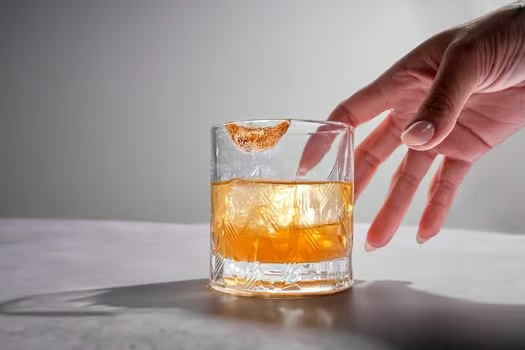
Why the After-Work Drink Is Getting a Rethink
For generations, the default way to mark the end of a workday has been the same: pour a glass of wine, crack a beer, or mix a cocktail. That habit is shifting. Americans are reporting lower drinking rates than at almost any point in recent decades, and younger adults in particular are questioning whether alcohol deserves a nightly slot in their routine.
The reasons vary. Some people are reacting to growing public health messaging, including the U.S. Surgeon General’s 2025 advisory linking alcohol to several types of cancer. Others notice how even two drinks affect their sleep, next-morning focus, or workout recovery. Plenty simply want to save money or feel more in control of their evenings.
Giving up alcohol doesn’t mean people stop wanting what alcohol used to provide: a clear signal that the day is over, a moment to decompress, and something to share with friends. That’s why the alcohol-free market has expanded so quickly. Grocery shelves now carry zero-proof spirits, non-alcoholic craft beers, and canned botanical drinks that would have been hard to find ten years ago.
But many people discover a gap after switching. A well-made mocktail can taste great, yet it rarely changes how you feel. Sipping a ginger-lime spritzer is pleasant, but it doesn’t help loosen tight shoulders after a rough meeting. That missing piece, an actual sense of calm rather than just a familiar flavor, is driving interest in functional drinks that do more than imitate a cocktail.
Kava has become one of the most talked-about options in that space. It isn’t new or engineered in a lab. It’s a traditional drink with centuries of use behind it, now being introduced to a much wider audience. For anyone trying to keep the ritual of winding down while dropping the alcohol, it’s worth understanding what kava is, what it can and can’t do, and how to approach it responsibly.
Bottom line: the shift away from alcohol is less about giving something up and more about finding better ways to relax. Kava is part of that conversation for good reason.
What Kava Actually Is and Where It Comes From
Kava comes from the root of Piper methysticum, a plant in the pepper family that grows throughout the South Pacific. In places such as Fiji, Vanuatu, Tonga, Samoa, and Hawaii, people have prepared and shared kava for hundreds, and likely thousands, of years. Traditionally, the root is ground and kneaded in water, then strained into a muddy, earthy beverage served in coconut shell cups.
In many Pacific Island cultures, kava is far more than a beverage. It’s served at ceremonies, used to welcome guests, offered during important negotiations, and enjoyed at informal evening gatherings. The setting tends to be relaxed and conversational, the opposite of a noisy bar, which is part of why it’s drawing interest from people seeking a calmer social scene.
The effects come from naturally occurring compounds called kavalactones. Researchers have identified a handful of major kavalactones, and their ratio, known as the chemotype, shapes how a particular kava feels. Some varieties lean toward mental calm and sociability, while others are heavier and more physically sedating.
Not all kava is equal. Experienced growers and buyers distinguish between noble varieties, traditionally preferred for regular drinking, and tudei (literally ‘two-day’) varieties, which tend to produce longer-lasting effects that many people find unpleasant, including next-day grogginess. Vanuatu has export rules designed to keep tudei kava out of commercial supply, and reputable sellers specify noble varieties.
Which part of the plant is used also matters. Traditional preparations rely on the root. Some problems historically tied to kava products have been linked to poor-quality material, including stems and leaves or harsh solvent-based extracts, rather than the water-based root drinks consumed in the Pacific for generations.
Today, kava is available in several forms across the United States:
- Traditional ground root, kneaded in water and strained
- Instant or micronized powders that dissolve with a quick stir or shake
- Ready-to-drink shots and canned beverages
- Capsules and concentrated extracts
Kava bars have also opened in cities nationwide, giving curious drinkers an easy way to try it before committing to a purchase.
How Kava Stacks Up Against Other Alcohol Alternatives
If you’re exploring alcohol-free options, you’ve probably already found a crowded field. Here’s how kava compares to the most common choices, and why it fills a different role.
Mocktails and zero-proof spirits are excellent if your main goal is flavor. A quality non-alcoholic gin can deliver the botanical punch of a classic gin and tonic. These drinks recreate the taste and look of a cocktail, but they’re designed to be neutral in effect. Great for social settings, less helpful if you want to physically unwind.
Non-alcoholic beer and wine work well for people who miss a specific drink. They still contain trace amounts of alcohol, typically under 0.5% ABV, which matters to some people in recovery or with medical restrictions.
Adaptogenic and botanical drinks featuring ingredients like ashwagandha, L-theanine, or lemon balm promise a calm mood. Effects vary widely by product and dose, and many are subtle enough that people aren’t sure they feel anything.
Cannabis beverages have grown in states where they’re legal, but they come with a patchwork of regulations, drug-testing concerns for many workers, and unpredictable onset times that can catch newcomers off guard.
Kava sits in a distinct spot. Most people notice its effects within 20 to 30 minutes. Commonly described sensations include:
- A light numbing or tingling of the lips and tongue (a normal sign of potency)
- Muscle relaxation and a sense of physical ease
- A calm, sociable mood without the fuzziness many associate with alcohol
- Mental clarity that usually remains intact at moderate amounts
Many regular drinkers say the biggest difference is the next morning. Noble kava, consumed sensibly, doesn’t tend to cause the hangover, dehydration, or disrupted sleep that often follow a few drinks.
The trade-off is taste. Traditional kava is earthy, peppery, and frankly an acquired taste. Many beginners chase it with fruit or mix instant kava into juice or coconut milk. If flavor is your top priority, a mocktail will win. If you want to actually feel relaxed, kava offers something most alternatives don’t.
What to Expect the First Time You Try Kava
Your first experience with kava can be confusing if you go in expecting it to feel like alcohol. It doesn’t, and that’s largely the point. A few practical tips will help you get an accurate sense of whether it works for you.
Start with a modest amount. A typical starting serving of traditional kava is one or two shells (roughly 4 to 6 ounces). Wait 20 to 30 minutes before deciding whether to drink more. Some first-timers feel very little, a phenomenon often called ‘reverse tolerance,’ and notice stronger effects after a few sessions.
Drink on a relatively empty stomach. Kava tends to be more noticeable when you haven’t just eaten a large meal. That said, if you have a sensitive stomach, a light snack beforehand is reasonable.
Expect the numbing. A tingly, slightly numb mouth is completely normal and usually fades within a few minutes. It’s one of the clearest signs you’re drinking an active product.
Choose your setting. Kava pairs well with low-key activities: conversation with friends, a board game, music, or reading. Many people find it eases social anxiety without making them loud or impulsive.
Plan your evening. Even though kava doesn’t impair people the way alcohol does, larger amounts can affect coordination and reaction time. Several states have prosecuted drivers impaired by kava. Treat it seriously: don’t drive after drinking significant amounts.
Here’s a simple first-session plan:
- Pick a reputable noble kava, either traditional ground root or a quality instant powder.
- Prepare one serving and have a chaser ready, such as pineapple juice or a slice of mango.
- Drink it relatively quickly rather than sipping slowly; most people find this easier given the flavor.
- Wait at least half an hour and pay attention to how your body and mood respond.
- Decide whether to have a second serving, or call it a night and note how you feel the next morning.
Keeping a quick note of the type, amount, and effects helps you dial in what works over time.
Safety, Quality, and Key Takeaways Before You Switch
Kava is widely enjoyed, but it isn’t risk-free, and anyone trying it should know the main considerations.
Liver health. In the early 2000s, reports of liver injury led several countries to restrict kava, and the FDA issued a consumer advisory in 2002. Later reviews suggested many cases involved poor-quality plant material, solvent extracts, or combinations with alcohol and medications. Germany’s restrictions were overturned in court in 2014. Still, people with liver conditions, or who drink alcohol heavily, should avoid kava or talk to a doctor first.
Don’t mix it with alcohol. Combining the two may increase stress on the liver and intensify sedation. Kava works best as a replacement, not an addition.
Watch for medication interactions. Kava can interact with benzodiazepines, sleep aids, certain antidepressants, anti-seizure drugs, and other medications processed by the liver. If you take prescriptions, check with a pharmacist or physician.
Skip it in some situations. Kava isn’t recommended during pregnancy or breastfeeding, for people under 18, or before surgery.
Be mindful of heavy, long-term use. Very heavy daily drinkers sometimes develop dry, scaly skin known as kava dermopathy, which generally resolves after cutting back.
Quality matters enormously. When shopping, look for:
- Clearly labeled noble varieties
- Root-only products, with no stems or leaves
- The country of origin and, ideally, the specific cultivar
- Third-party lab testing for kavalactone content and contaminants
Key takeaways for readers:
- Kava offers something most alcohol alternatives lack: a real, noticeable sense of relaxation.
- It tends to leave your mind clearer and your mornings easier than alcohol does.
- Start small, choose noble root kava, and give it a few sessions before judging.
- Never combine it with alcohol, and don’t drive after heavy use.
- Talk to a healthcare provider if you have liver concerns or take medication.
Approached thoughtfully, kava can be a satisfying way to keep the end-of-day ritual you enjoy while leaving the downsides of alcohol behind.
Source
Based on reporting from Kava Haven.
Ready to Experience Noble Kava?
Shop our premium selection of noble kava root powders, capsules, tinctures, and drinks — sourced from Hawaii, Fiji, Vanuatu, and the Solomon Islands.
